Moong (Green Gram / Mung Bean)
Vigna radiata
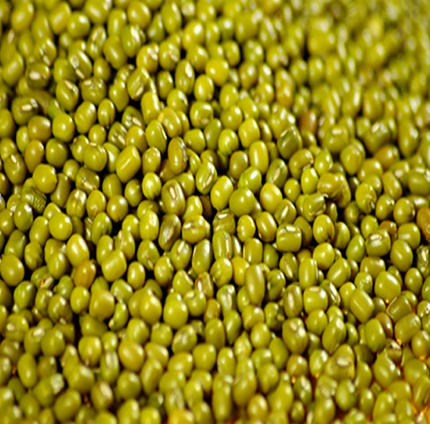
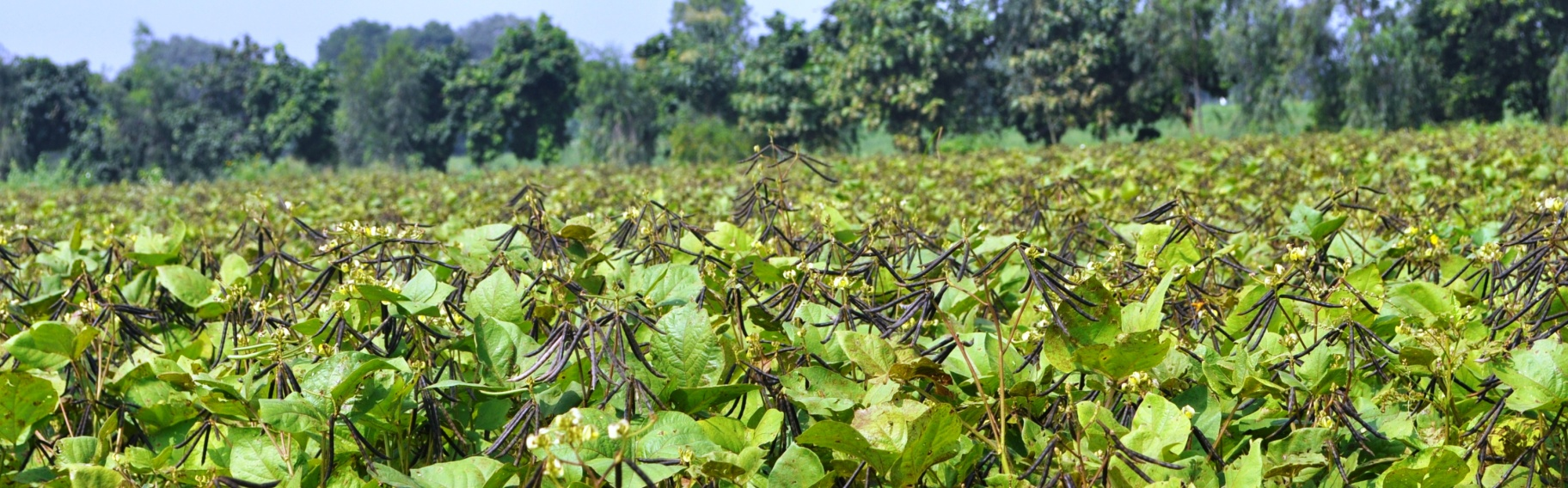
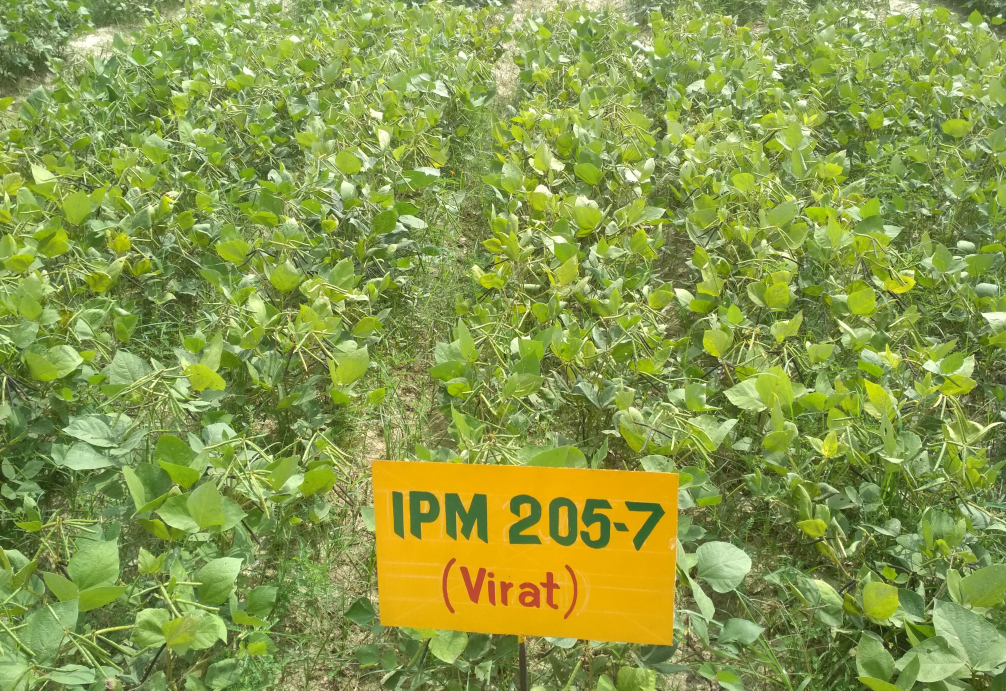
Cultivation Spread
Originally cultivated in India, Moong is now widely grown in South Asia, Southeast Asia, East Asia, Africa, and parts of the Americas. India remains the largest producer, followed by Myanmar, China, and Thailand
Traditional Uses
Used in dal (split moong lentils) and sprouted form in India. Popular in khichdi, dosa, pakoras, halwa, and curries. In East Asia, used in mung bean soup, mooncakes, noodles, and desserts. Sprouts consumed worldwide as a salad and health food.
Modern Importance
Rich in protein, dietary fiber, and micronutrients (iron, folate, magnesium). Key source of plant-based protein in vegetarian diets. Moong dal is easily digestible and recommended for infants, elderly, and patients. Increasingly used in ready-to-eat foods, sprouts industry, and plant-based protein products.
Historical Timeline
- 2000 BCE: Cultivation evidence in India (Harappan Civilization).
- Unknown Period: Spread to Southeast Asia (Myanmar, Thailand, Philippines)
- Unknown Period: Later introduced to China, where it became important in traditional diets.
- 19th–20th century: By the 19th–20th century, spread to Africa and the Americas.